
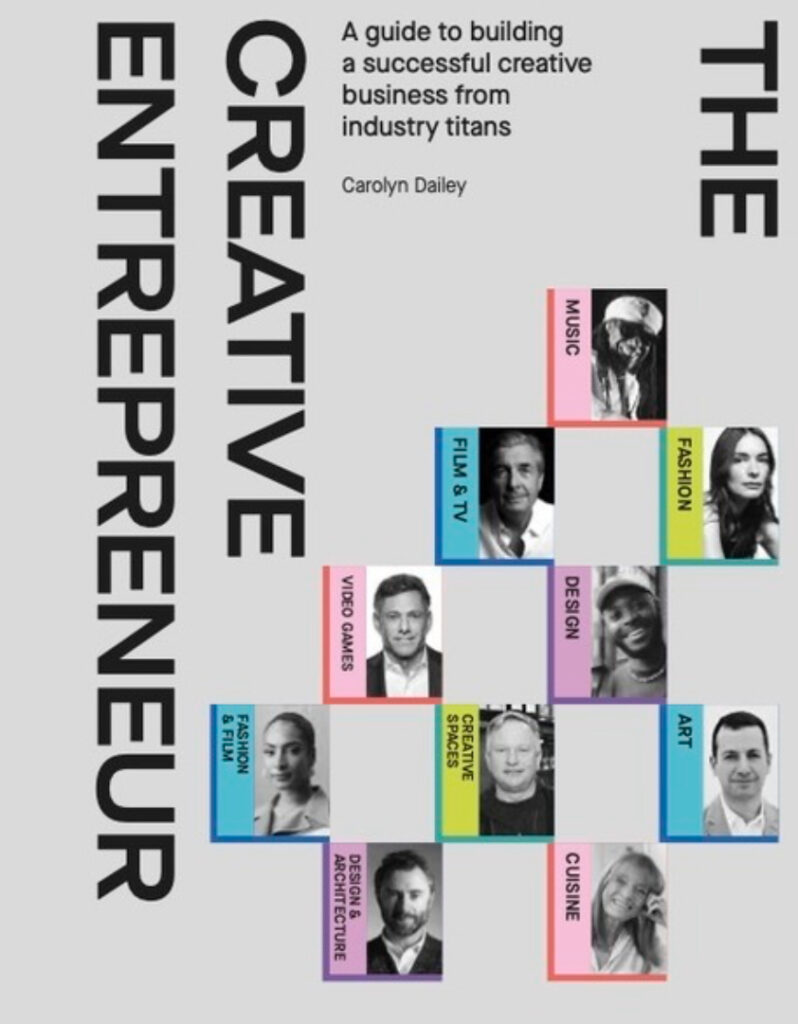
I just finished reading The Creative Entrepreneur by Carolyn Dailey—and it’s unlike any entrepreneurship book I’ve come across.
First, don’t let the title mislead you. This isn’t a book about being a creative entrepreneur in the traditional startup sense. It’s about being an entrepreneur if you’re a creative. That’s a big—and important—distinction.
Carolyn Dailey is a veteran of both the creative industries and the entrepreneurial world. She honed her chops working alongside media pioneer Ted Turner—one of the great entrepreneurial minds of the 20th century—and has since collaborated with some of the biggest names in fashion, film, art, and design. This background makes her uniquely qualified to bridge the worlds of artistic expression and commercial success.
The Premise
Creative people are different. We all know this. But what often goes unspoken is this: it’s no longer enough for a modern artist to simply create. Not if they want their work to be seen—let alone appreciated.
The “starving artist” trope isn’t just a cliché. It’s a reality for too many talented individuals who don’t learn to connect their work with the world.
Today, creatives need to be more than expressive—they need to be entrepreneurial. They need to find their audience, understand their market, and get their work into the right hands. Whether they like it or not, modern creatives have to wear the entrepreneurial hat.
The Book
The Creative Entrepreneur speaks directly to that audience: the creators, artists, designers, performers, and storytellers who live for expression—but who also have the potential to turn their vision into something scalable, sustainable, and impactful.
It’s especially valuable for creatives who have never considered entrepreneurship, venture capital, market fit, or customer development. This book isn’t about turning creatives into cold-hearted businesspeople. It’s about helping them understand how entrepreneurial thinking can support and amplify their artistic mission.
At the same time, it’s a refreshing read for seasoned entrepreneurs, especially those embedded in the tech and startup ecosystem. It offers a fresh lens: what entrepreneurship looks like when it’s driven not by technology or capital, but by emotion, aesthetics, and purpose.
Format & Approach
The book is structured as a series of interviews and profiles with successful creatives across fashion, film, design, dance, music, and more. Each story is beautifully produced—visually striking, succinct, and layered with meaning.
Each chapter connects the subject’s creative journey to a core entrepreneurial tenet. After exploring their career trajectory, Dailey distills lessons learned about turning creative work into viable businesses.
While the principles may be familiar to business veterans, hearing them from a creative lens gives them new life. Recurring themes include:
- Failure as the great teacher
- The importance of speaking directly to your audience
- Passion as a strategic advantage
- Risk-taking and resilience
- Networking and community
- Work-life balance
- The essential role of mentorship
The Manifesto
The book concludes with The Creative Entrepreneur Manifesto—a powerful call to action for the global creative community:
- Raise awareness of creativity’s commercial potential
- Celebrate role models who’ve built creative businesses
- Shift the narrative around what “creativity” means in a business context
- Provide relatable, relevant business support for creatives
- Build a connected, supportive ecosystem
- Challenge outdated stereotypes of the “starving artist”
- Show that making a living from creativity is possible—and empowering
- Reject the false divide between art and commerce
Final Take
For those of us steeped in startups, venture capital, and growth metrics, it’s easy to get jaded. We’ve seen the same frameworks recycled and the same stories told a hundred different ways.
But this book feels different. These aren’t high-growth, unicorn-chasing tech founders. These are creative powerhouses who charted a different path—often without realizing they were embodying core entrepreneurial principles all along.
The Creative Entrepreneur is a fresh, smart, and necessary addition to the entrepreneurial bookshelf—especially for those who believe business and creativity don’t mix. This book proves otherwise.